
What grade is it built in?
Counts are kept per grade. Switch grades to add a mixed build.
How many stone pieces?
A quick pick fills this grade and clears the rest. Change any number after.
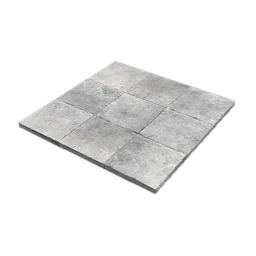 Foundations300 stone each
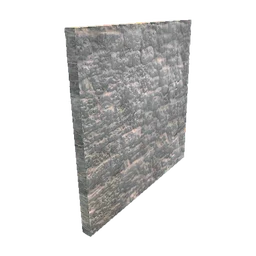 Walls300 stone each
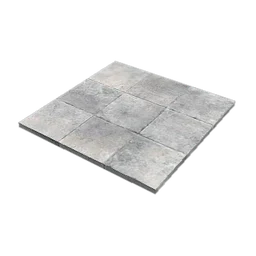 Floors / Ceilings150 stone each
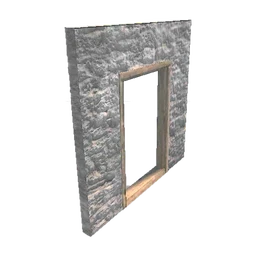 Door Frames210 stone each
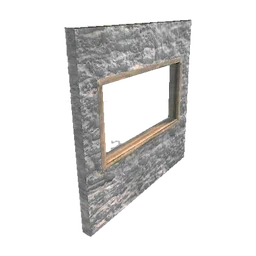 Window Frames210 stone each
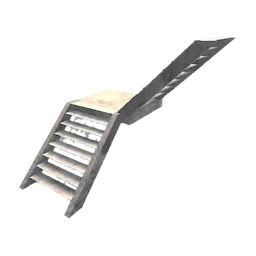 Stairs300 stone each
 Roof Pieces150 stone each
 Stone4241,272
10.3% of build cost per 24 h for 16 blocks.
Upkeep Rates by Block Count
Every block pays a share of its own build cost once per 24-hour period, counted in order, so a large base pays more per block. Mixed-grade bases can land a few percent either side of the average. A stocked cupboard stops decay; without upkeep, fully sheltered pieces decay at 10% speed. Groups pay more: the first 4 players on the cupboard are free, each of the next 6 adds 2%, and each after that 4%, up to 3× the bill. The calculator shows the bill for 4 or fewer players.
How Rust Upkeep Works
Upkeep is the cost your Tool Cupboard takes from its inventory to keep the base standing. Every building piece adds to it based on its grade. If the TC runs out of materials, the base starts to decay. Upkeep keeps abandoned bases from filling the map, and the cost grows with base size.
Upkeep Rates by Material
Each block pays a share of its own build material once a day. The share is the same for every grade; what changes is the build cost it applies to. A single wood foundation (200 wood) costs 20 wood a day; 100 of them cost 3,200 wood a day, not 2,000, because the later blocks sit in dearer brackets. Twig is not free: 5 wood per block per day.
Decay Rates and Timers
When the TC runs out or is destroyed, each grade decays on its own timer: Twig 1 h, Wood 3 h, Stone 5 h, Sheet Metal 8 h, and Armored 12 h. A piece at 0 HP is destroyed, and foundations decaying first can bring upper floors down. Full list on Decay Times.
Tips for Reducing Upkeep
- Build most of the base in stone; keep metal and armored for the TC and loot rooms.
- Keep the base compact and honeycomb only where it matters.
- Stock 2 to 3 days of materials before going offline.
- Use external TCs for compound walls to split the bill.
Rust Tool Cupboard Upkeep Period and Tax
A cupboard bills every 1440 minutes (24 hours) at 10% for a small base, the calculator's first bracket. Loose stone walls next to a cupboard are not billed; upkeep covers the building the cupboard owns. Those loose walls do not decay either.
Methodology
Tested in game on our own server: the cupboard's 1440-minute period, the 10% small-base tax and the bill for 1, 10, 25, 50, 100, 200 and 400 blocks of each grade. The bills matched the brackets to the last unit. Tested on the current version of Rust.